Interview with Jillian Finkle

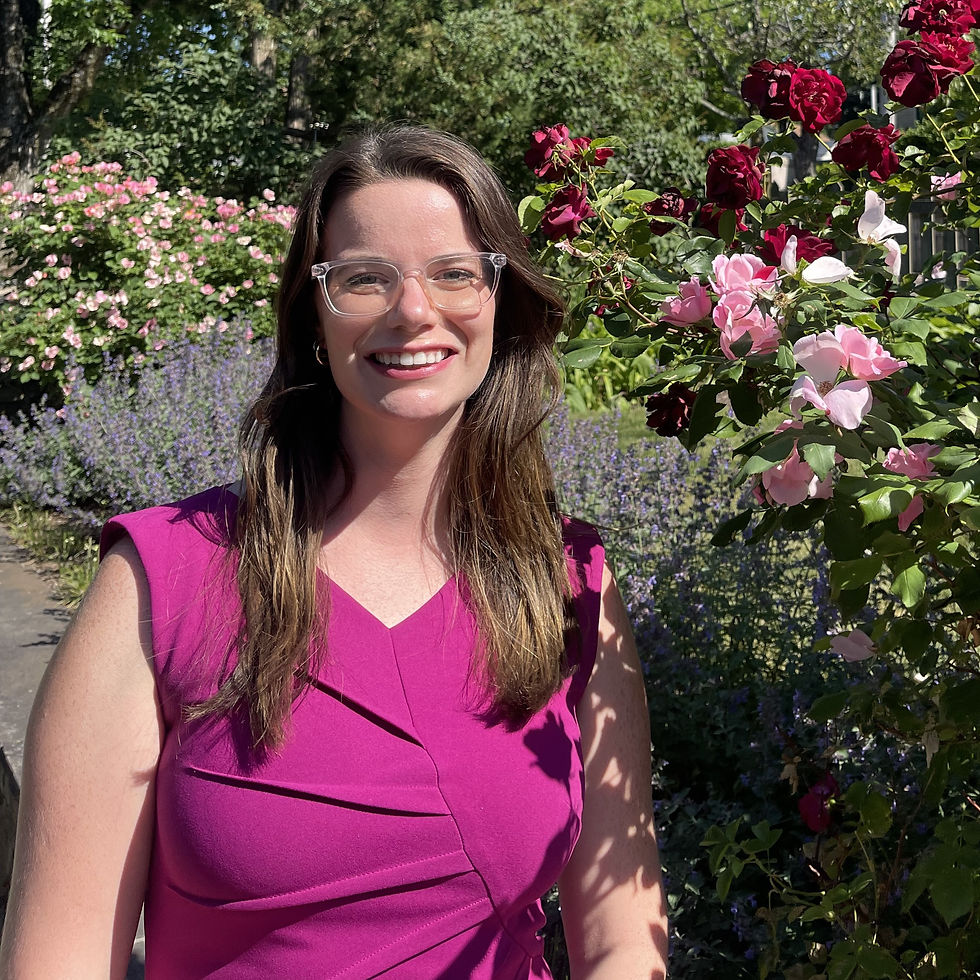
Jillian Finkle is the Deputy Director of Grow Smart RI and the Director of Main Street RI. She previously served as the Principal Planner for the City of Central Falls, RI and before that as the Coordinator of the Broad Street Regeneration Initiative, a joint planning and revitalization effort in the cities of Pawtucket, Central Falls, and Cumberland, RI. Jillian spent many years in the museum field, designing exhibits and programs especially for children’s and history museums and zoos/aquariums. She also served as the Managing Director of Providence PlayCorps. A 2020 graduate of Leadership RI, she holds an MA in Museum Studies from The George Washington University and a BS in Communication Studies from Northwestern University. She lives with her family in Cranston.
1. How did you get started in a career focused on Main Street revitalization?
About ten years ago, I was lucky enough to be hired by the Blackstone Valley Tourism Council to coordinate the Broad Street Regeneration Initiative. Pawtucket, Central Falls, and Cumberland were working together to revitalize their shared Broad Street corridor, and I was a liaison between the project and the community, especially the small businesses. Basically, we were trying to be a Main Street program without knowing it, and even though everyone saw the value of the work, we struggled to explain it. This made it difficult to get funding.
When I learned that Main Street America had been supporting these types of efforts in thousands of other communities for decades, I really wanted to bring the program to Rhode Island. During COVID, Grow Smart RI decided to let me try. And here we are!
2. What made you feel strongly about bringing a Main Streets program to Rhode Island?
I believe we are social creatures that need to connect with each other - and our communities - for our individual and collective well-being. To do that, we need physical places in the real world to meet and gather. The concept of the town square or village center is ancient; they developed naturally because people required centers of commerce and civic activity. Now that so much of our daily activity is online or spread out, commercial districts and their small businesses need intentional support to successfully facilitate this vital human need. Rhode Island has so many of these districts and people who love them, but hasn’t had the framework to pull all the pieces together in each place. That’s what the Main Street Approach provides.
3. What tangible impacts have come from the program already?
Because the Main Street approach is so new to Rhode Island, we intentionally focused only on learning for the first year of the program. However, our participants have been so excited by the potential of the framework that many have already taken action! Groups have convened community meetings and distributed public surveys, adopted plans, and initiated new strategies into their existing work. Next year we’ll focus more on the “doing,” with tools and assistance for the participants to begin working on the projects they’ve identified in their plans.
4. How would you describe the partnership between Main Streets and preservation?
Preservation is a key element of the national Main Streets movement, which actually started as a project of the National Trust for Historic Preservation. (Rhode Islander Clark Schoettle was actually a part of its inception!) The history of a place is a big part of what it makes it special and unique, which is part of what makes us feel connected to it and our community. Historic sites and buildings reflect that history in an authentic way that we as humans experience.
5. What do you hope to see as a result of this program in 5 years? 10 years?
Everyone wants to see physical changes – spruced up buildings and streetscapes, and of course that’s part of it. We also want to see all the storefronts full of successful small businesses with loads of customers, events that bring people together, and clear, consistent communications that enable all that activity. I hope more of RI’s commercial districts are bustling places that increase all residents’ social connections and overall sense of belonging. But these things don’t happen by accident, so we’ll need to have strong, sustainable organizations intentionally doing this work, and an increased recognition of this work’s value to the state’s economy. I definitely believe that with the necessary support and funding we can accomplish this in 5-10 years!