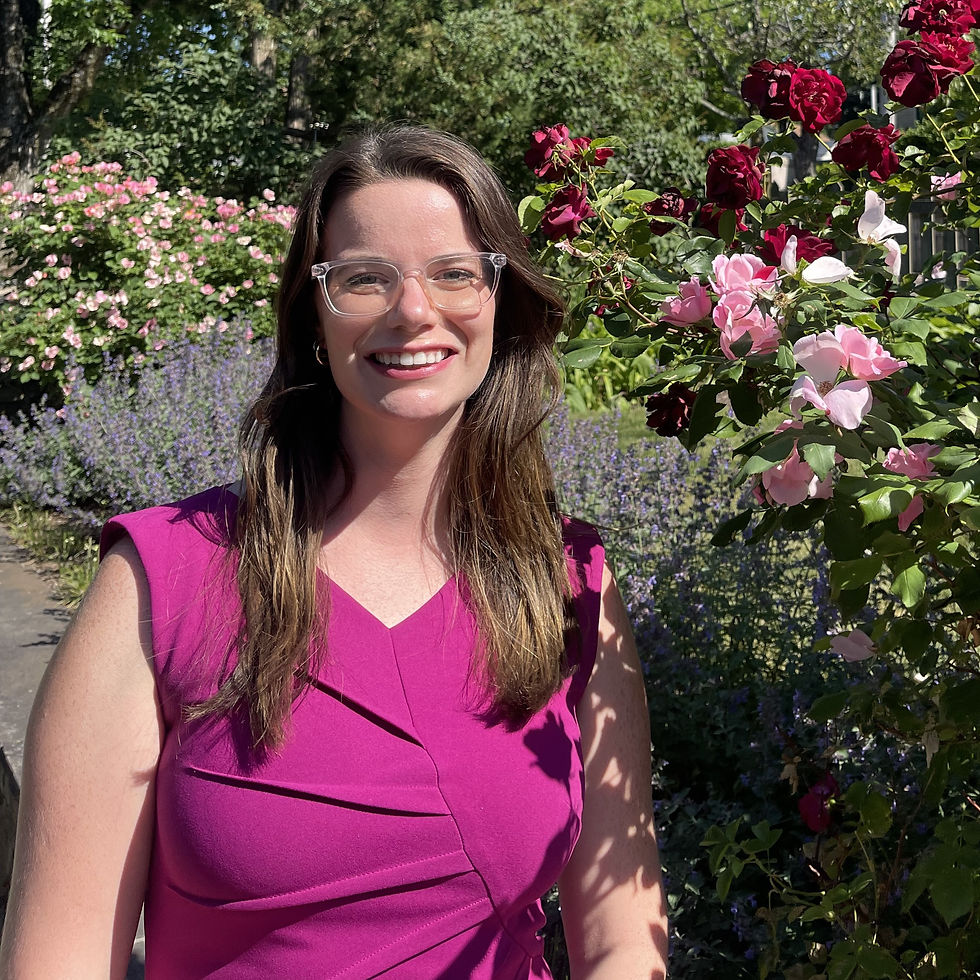
Interview with David Corsetti

David Corsetti, as CEO of Premier Land Development, continues to shape the rehabilitation of mill buildings across the state. His company specializes in pioneering distinct residential, mixed-use, commercial and industrial projects, including both new construction and adaptive reuse. Among the notable projects he has worked on are the 2024 Rhody Award winning project, Wanskuck Mill, in Providence and the Ann and Hope Mill in Cumberland which is currently being developed. David joined Preserve Rhode Island’s Board of Trustees in January of 2026.
1. How did you first become interested in historic preservation?
I purchased the historic Henry A. Kirby House in the late 90’s, which required a significant amount of restoration. At that time, being young and inexperienced, I underestimated the amount of work and capital it would take to restore. Nonetheless, after 4 years of painstaking renovation the work was completed, and the project was awarded the 2002 PPS Residential Rehab/Restoration Award. Through this process I gained a sense of admiration as well as appreciation for what these historic properties represent.
2. You converted the Wanskuck Mill in Providence into housing units and commercial space, for which you won a Rhody Award, and are now developing the Ann and Hope Mill in Cumberland into housing. How can these mill conversions help the state address its housing crisis?
Mill buildings are generally larger in size due to their previous industrial use, which allows developers the opportunity to convert large building areas into high unit-count for multi-family use. In many ways, the existing structures allow for a quick turnaround with respect to the approval process, clearing the way for developers to deliver a mid-range product that in most cases lend themselves to market-rate rentals. By contrast, mill renovations usually run 20–30% less than ground up or high-rise restoration housing. In my understanding, the only way to make the market more affordable is with more available product – supply and demand is the main driver behind affordability.
3. What is the easiest and hardest part of converting old mills into housing that meets modern day needs?
The easiest would be having the in-place structure as a starting point. This eliminates a lot of site work as well as foundation and shell construction. The hardest would be correcting the years of neglect that have taken their toll in addition to remedial clean-up, as well as elevation issues that plague some of these developments.
4. What are the biggest challenges in getting these projects completed? What incentives can state and local governments provide to make these projects more attractive to developers?
Like most projects, capital becomes the usual suspect. Unlike new construction, most rehabs have a number of unknowns that present themselves along the way and timelines are always stretched out which creates their own host of problems (i.e. inflated costs, additional carried interest, etc.). The Historic Tax Credit (HTC) program has been the best user-friendly product available to developers. In most cases it covers the equity short falls required by banks to fund the construction in addition to covering cost over-runs incurred through the duration of the project. In my opinion, without State/Federal HTC programs these projects would not happen. Unfortunately, inflation has driven the costs of these developments by 30-40% in some cases, which has greatly diminished the value of the State HTC credit. I feel confident we would see an uptick in larger projects if the State were to increase the value of the credit award.
5. You recently joined the board of Preserve RI. What are you most excited about in helping the organization further its mission?
I’m excited to participate in the preservation of endangered properties as well as provide some insight from a developer’s lens.